
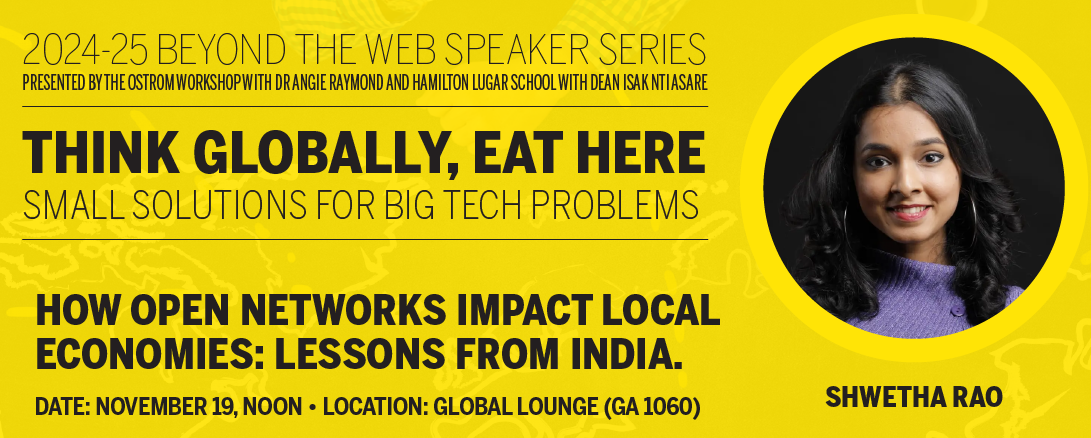
This is important. Be there.
If we want VRM to prove out globally, we have to start locally. That’s what’s happening right now in India, using ONDC (the Open Network for Digital Commerce), which runs on the Beckn protocol.
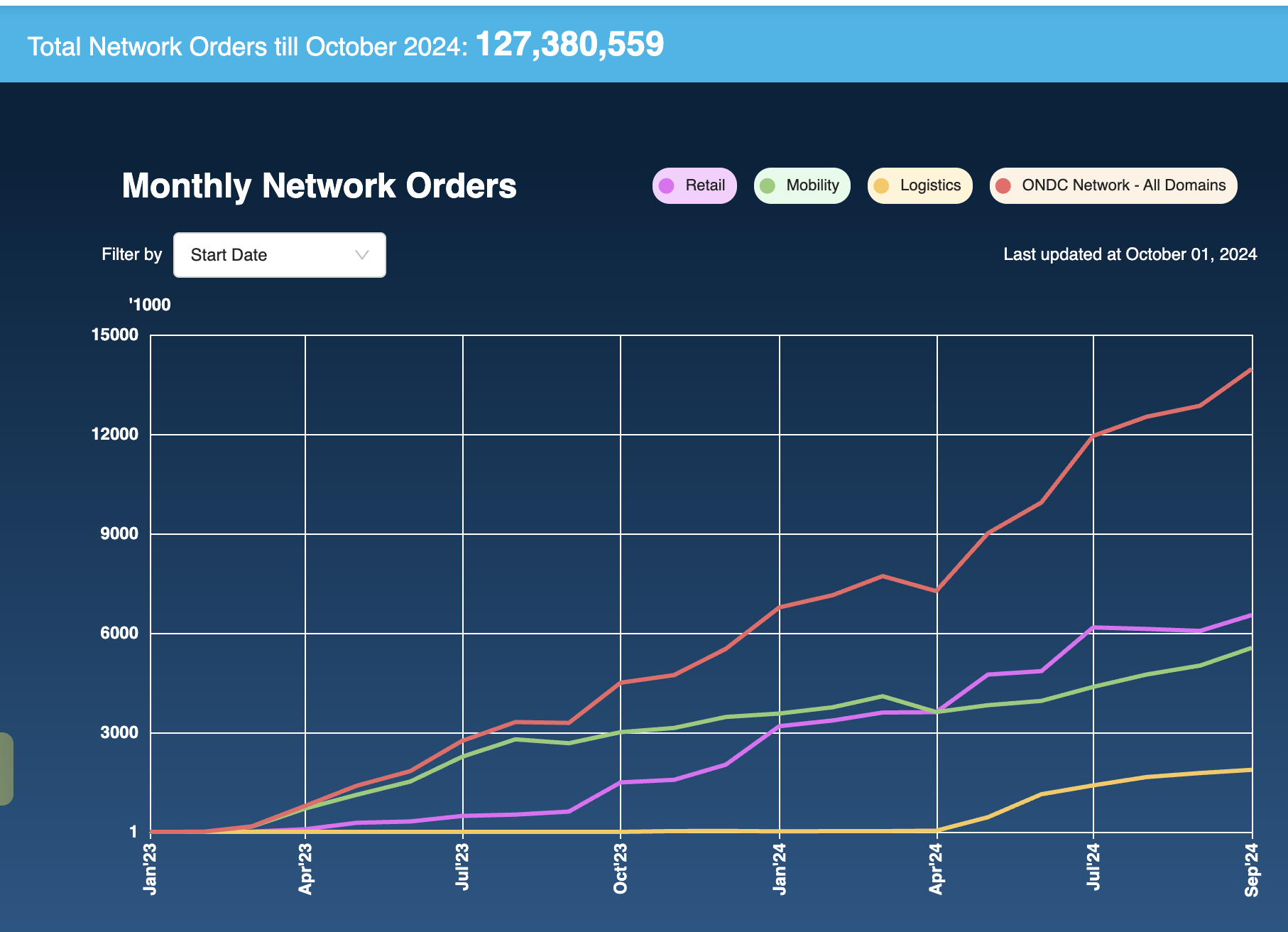
ONDC is a happening thing:
One big (and essential) goal for VRM is individual customer scale across many vendors. ONDC and Beckn are for exactly that. Here is how kaustubh yerkade explains it in Understanding Beckn Protocol: Revolutionizing Open Networks in E-commerce:
Beckn protocol in the Real World
The Beckn Protocol is part of a larger movement toward creating open digital ecosystems, particularly in India. For example, the ONDC (Open Network for Digital Commerce) initiative in India is built using the Beckn protocol, aiming to democratize e-commerce and bring small retailers into the digital economy. The Indian government supports ONDC for making digital commerce more accessible and competitive.Here are some practical examples of how the Beckn Protocol can be used in different industries:
1. Ride-Hailing and Mobility Services
Example: Imagine a city with multiple ride-hailing services (e.g., Uber, Ola, Rapido). Instead of using individual apps for each service, a user can use one app powered by the Beckn Protocol. This app aggregates all available ride-hailing services, showing nearby cars, prices, and estimated arrival times from multiple providers. The user can choose the best option, book the ride, and pay directly through the unified app.Benefit: Service providers gain broader visibility, and users can easily compare services in one place without switching between apps.
https://becknprotocol.io/imagining-mobility-with-beckn/
2. Food Delivery Services
Example: A consumer uses a food delivery app that leverages Beckn to show restaurants from multiple food delivery services (like Zomato, Swiggy, and local food delivery providers). Instead of sticking to just one platform, the user sees menus from different services and can order based on price, availability, or delivery time.Benefit: Restaurants get listed on more platforms, increasing their exposure, and users can find more options without hopping between different apps.
3. E-Commerce and Local Retail
Example: A shopper is looking for a product (like a phone charger) and uses an app built on the Beckn Protocol. The app aggregates inventory from big e-commerce players (like Amazon or Flipkart) as well as small local retailers. The user can compare prices and delivery times from both big platforms and nearby local stores, then make a purchase from the most convenient provider.Benefit: Small businesses and local stores can compete with larger e-commerce platforms and reach a wider audience without needing their own app or website.
4. Healthcare Services
Example: A patient needs to book a doctor’s appointment but doesn’t want to manually search through different healthcare platforms. A healthcare app using Beckn shows available doctors and clinics across multiple platforms (like Practo, 1mg, or even independent clinics). The patient can choose a doctor based on location, specialization, and availability, all in one place.Benefit: Patients get access to a larger pool of healthcare providers, and doctors can offer their services on multiple platforms through a single integration.
5. Logistics and Courier Services
Example: An online seller wants to ship products to customers but doesn’t want to manage multiple courier services. With an app built on Beckn, they can see delivery options from multiple logistics providers (like FedEx, Blue Dart, and local couriers) and choose the best one based on cost, speed, or reliability.Benefit: Businesses can streamline shipping operations by comparing various logistics providers through one interface, optimizing for cost and delivery time.
6. Public Transportation
Example: A commuter is planning a trip using public transit in a city. Using a Beckn-powered app, they can view transportation options from multiple transit services (like metro, bus, bike-sharing services, or even ride-hailing). The app provides real-time schedules, available options, and payment methods across different transport networks.Benefit: The commuter has a unified experience with multiple transportation modes, improving convenience and access to more options.
7. Local Services (Home Services, Repair, Cleaning)
Example: A user needs a home repair service (e.g., a plumber or electrician). Instead of browsing different service provider platforms (like UrbanClap or Housejoy), a Beckn-enabled app aggregates professionals from multiple service providers. The user can compare prices, reviews, and availability and book a service directly from the app.Benefit: Service providers get access to more customers, and consumers can quickly find professionals based on location, reviews, and price.
8. Travel and Hospitality
Example: A traveler uses a travel booking app based on Beckn to find accommodations. The app aggregates listings from various hotel chains, Airbnb, and local guesthouses. The traveler can filter by price, location, and amenities, then book the best option without switching between platforms.Benefit: Smaller accommodation providers can compete with big brands, and travelers get access to more choices across different platforms in one app.
9. Government Services and Civic Engagement
Example: A citizen uses a Beckn-enabled app to access multiple government services. They can apply for a driver’s license, pay taxes, and book a health checkup at a government hospital—all from one platform that integrates services from different government departments and third-party providers.Benefit: Governments can offer a unified experience across various services, and citizens get easier access to public services without visiting multiple websites or offices.
He adds,
The ONDC (Open Network for Digital Commerce) initiative in India is built using the Beckn protocol, aiming to democratize e-commerce and bring small retailers into the digital economy. The Indian government supports ONDC for making digital commerce more accessible and competitive.
While it is nice to have government support, anyone anywhere can deploy open and decentralized tech, or integrate it into their apps and services.
On Tuesday we’ll have a chance to talk about all this at our latest salon at Indiana University and live on Zoom. Our speaker, Shwetha Rao, will be here in person, which always makes for a good event—even for those zooming in.
So please be there. As a salon, it will be short on lecture and long on dialog, so bring your questions. The Zoom link is here.
Leave a Reply